Your heart works tirelessly every moment of your life, and what you eat can either support it or make its job harder. A heart-healthy eating pattern does not mean giving up flavor. It means choosing foods that nourish your blood vessels, help manage cholesterol and keep blood pressure in a healthy range.
Fill up on fruits and vegetables
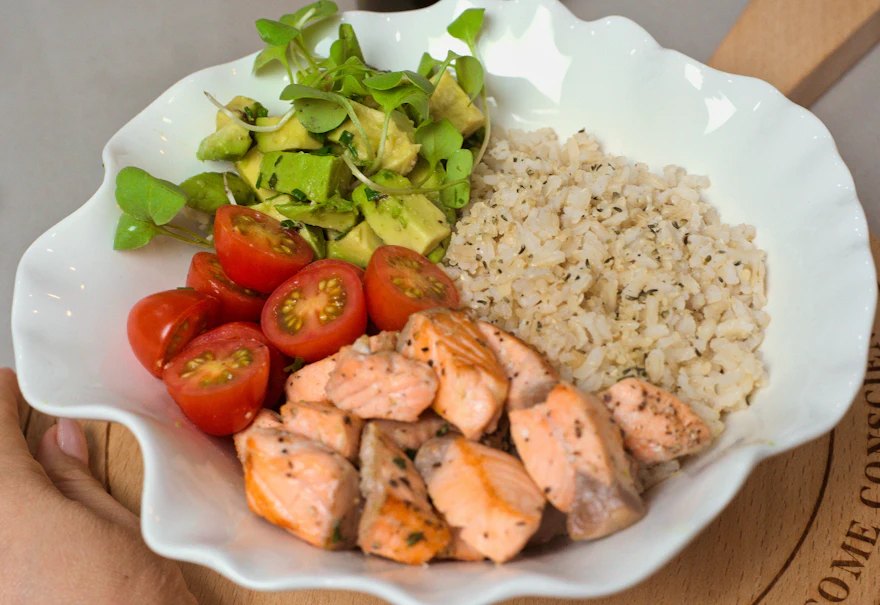
Colorful produce provides fiber, potassium and antioxidants that help protect the heart. Leafy greens, tomatoes, berries, citrus and carrots are all excellent choices. Aim to make vegetables and fruit the largest part of your plate.
Choose whole grains
Brown rice, oats, quinoa and whole-wheat bread contain soluble fiber that can help lower cholesterol. They also keep you full longer, which supports a healthy weight.
Include healthy fats
- Oily fish such as salmon and sardines provide omega fatty acids that support heart rhythm and circulation.
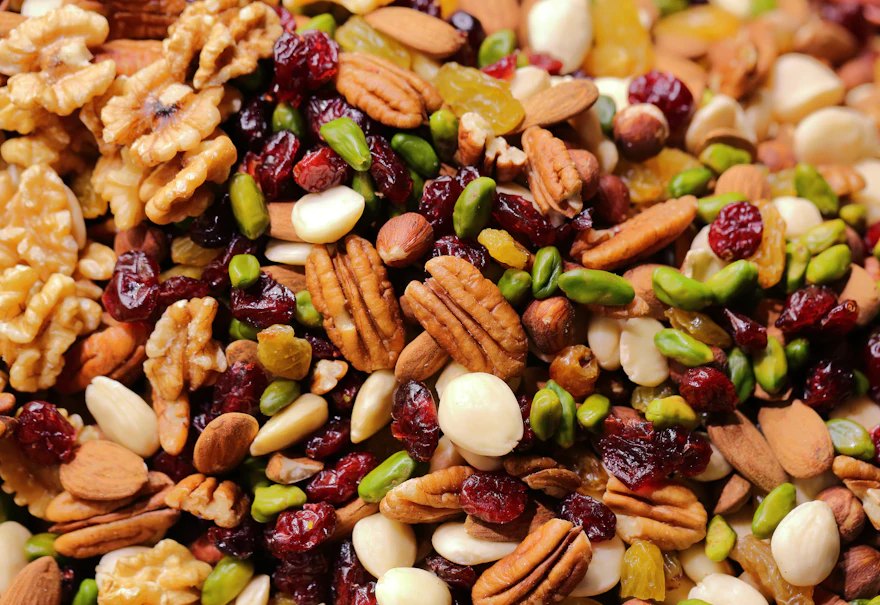
- Avocados, olive oil and nuts offer unsaturated fats that can improve cholesterol balance.
- Seeds like chia and flax add fiber and plant-based omega fats.
Every colorful, whole-food meal is a small gift to your heart.
Watch the salt and added sugar
Too much sodium can raise blood pressure, and excess sugar can affect weight and cholesterol. Cooking at home more often, using herbs and spices for flavor and reading food labels can make a big difference.
Pair good food with good habits
Regular movement, restful sleep, stress management and avoiding tobacco all work together with a healthy diet to protect your heart. Small, steady improvements add up over time.
Know where you stand
Regular heart-health checks help you understand your blood pressure and cholesterol so you can make informed choices with your care team.
This article is for general education only. Please talk with your doctor before making significant dietary changes, especially if you take heart medication.