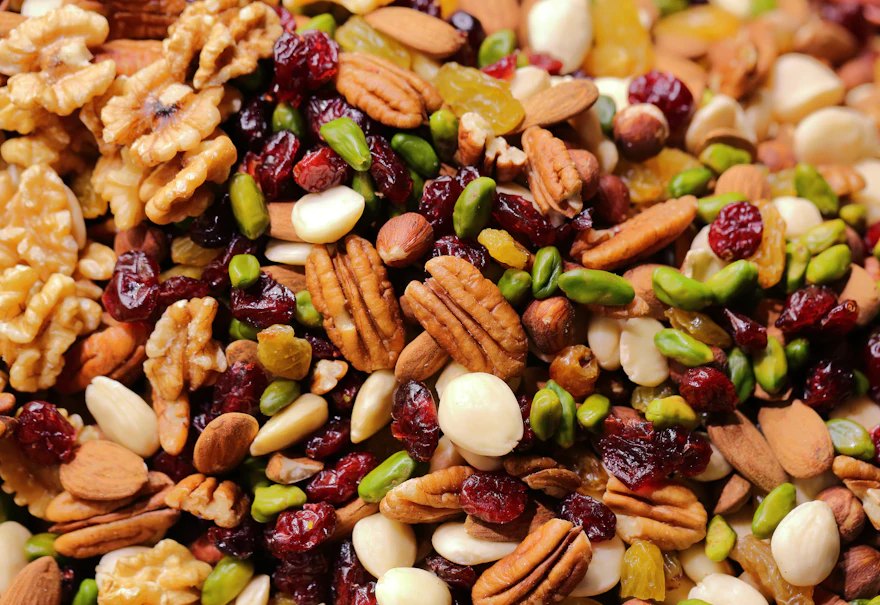
The brain is one of the most energy-hungry organs in the body, and it relies on a steady supply of nutrients to think, learn and remember. While genetics and age play a role, research continues to show that everyday food choices can help support cognitive health throughout life.
Healthy fats for brain cells
Brain cells are rich in fats, so the type of fat you eat matters. Walnuts, flaxseeds, chia seeds and oily fish provide omega fatty acids that help maintain healthy brain cell structure and communication.
Antioxidant-rich foods
Berries, dark leafy greens, colorful vegetables and green tea contain antioxidants that help protect brain cells from everyday stress. Blueberries in particular are often celebrated for their brain-supporting compounds.
Steady energy from whole grains
Your brain works best with a consistent supply of energy. Whole grains, beans and lentils release glucose slowly, helping you avoid the mental fog that can follow sugary snacks.
- Start the day with oats topped with berries and walnuts.
- Add leafy greens to soups, wraps and smoothies.
- Snack on nuts and seeds instead of sweets for sustained focus.
Feed your brain well today, and it will keep serving you tomorrow.
Do not forget hydration
Even mild dehydration can affect concentration and mood. Keep water nearby throughout the day and sip regularly, especially when you are busy or active.
Lifestyle habits that work alongside food
Quality sleep, regular physical activity, social connection and mentally stimulating hobbies like puzzles, reading or learning a new skill all support memory. Combined with good nutrition, they create a strong foundation for lifelong brain health.
When to seek support
If you or a loved one notice memory changes that affect daily life, it is important to speak with a healthcare professional. Early guidance can make a meaningful difference.
This article is for general education only and is not a substitute for a medical evaluation of memory or neurological concerns.